The JournalBattery & Charging
Four Hours To Full
What is actually happening in the pack while the charger light is on.
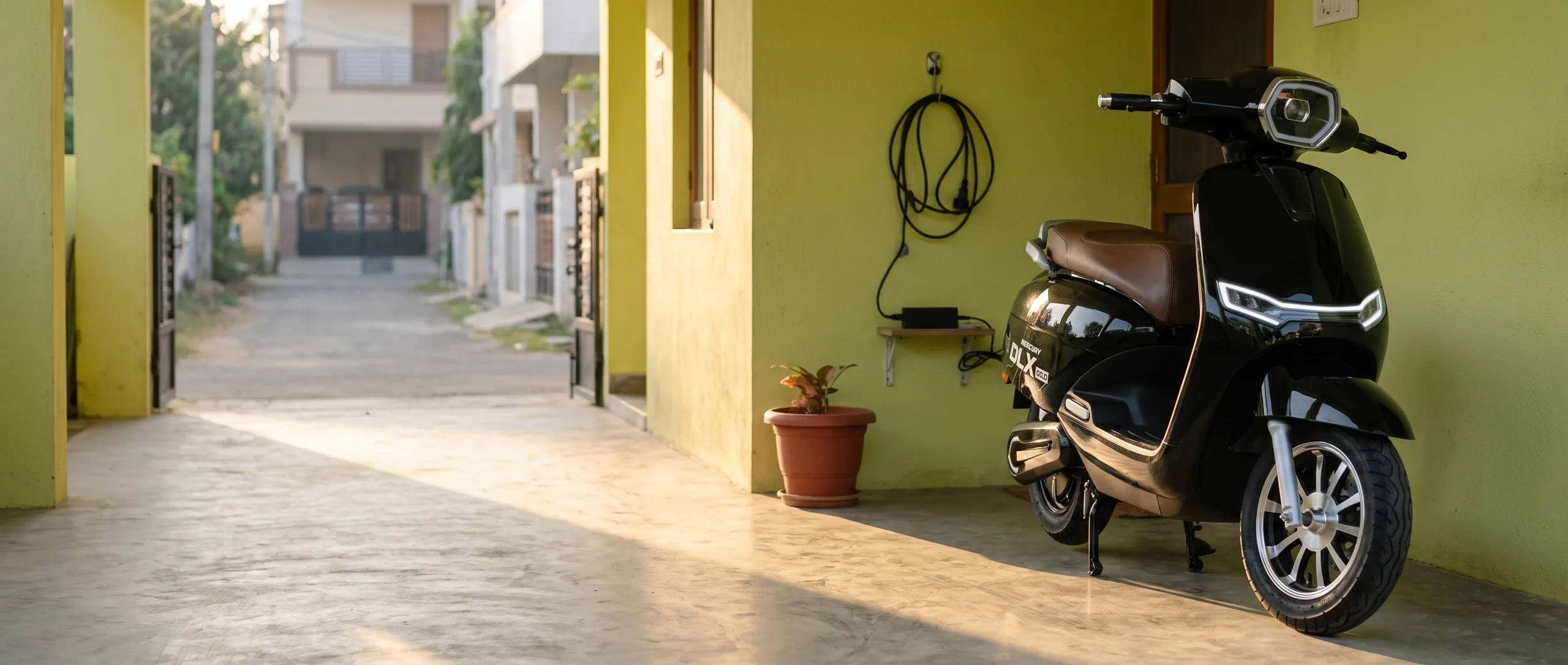
The DLX GOLD takes four to five hours. The EZ takes three and a half to four. Neither of those numbers is a straight line.
Charging a lithium pack is two processes wearing one name. For most of the time the charger holds a constant current and the voltage climbs. Then, near the top, it flips: the voltage is held constant and the current tapers away. The first phase does most of the work. The second phase takes a disproportionate share of the clock.
Which is why the last twenty percent feels slow
It is slow. It is meant to be. Pushing hard current into a nearly full cell is how you damage it, so the charger backs off deliberately. If you are charging to ride tomorrow, the last hour is worth waiting for. If you are topping up over lunch, the first hour is where nearly all the range lives.
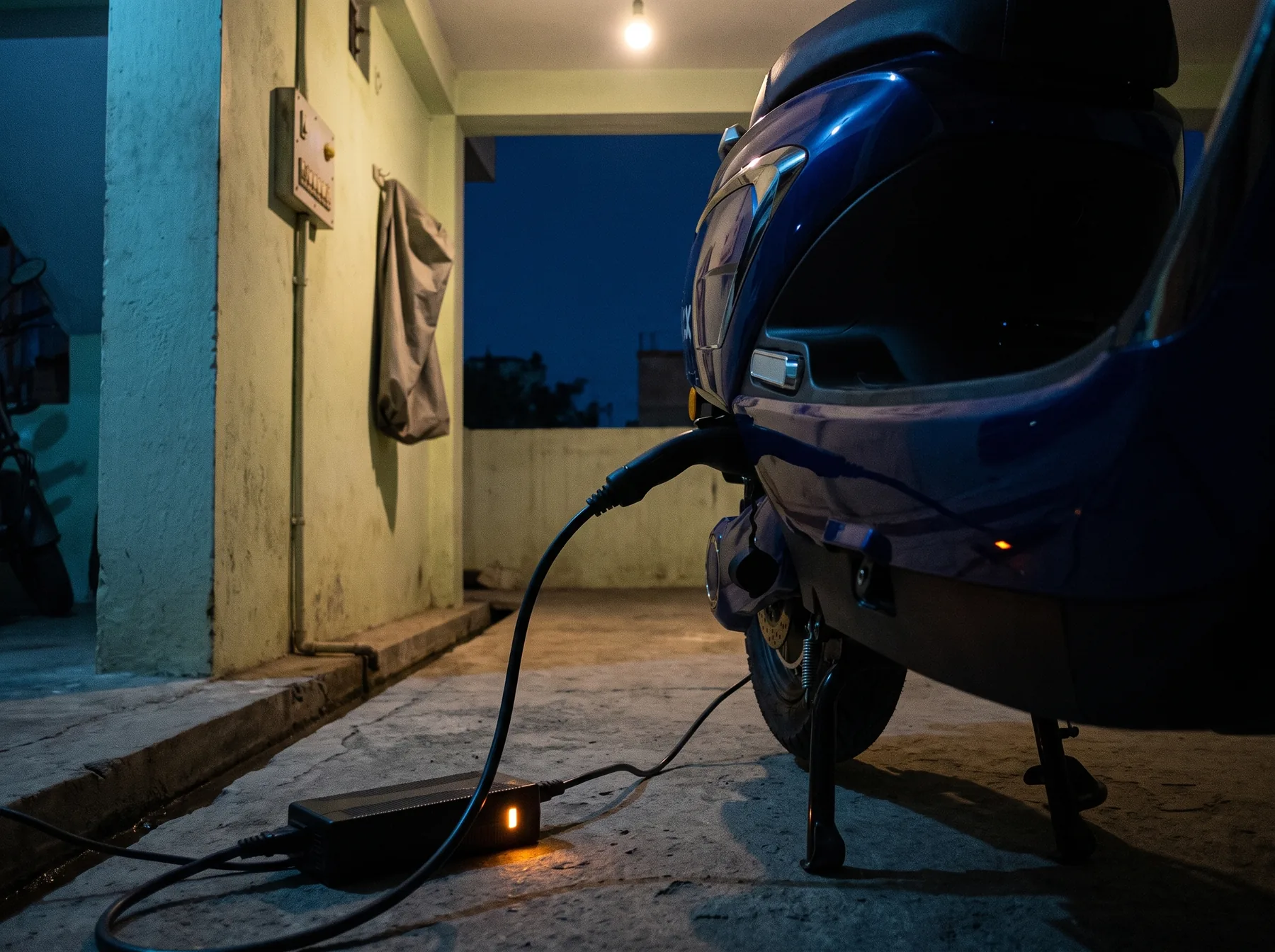
A charger that finishes quickly and a pack that lasts three years are, past a point, mutually exclusive requests.
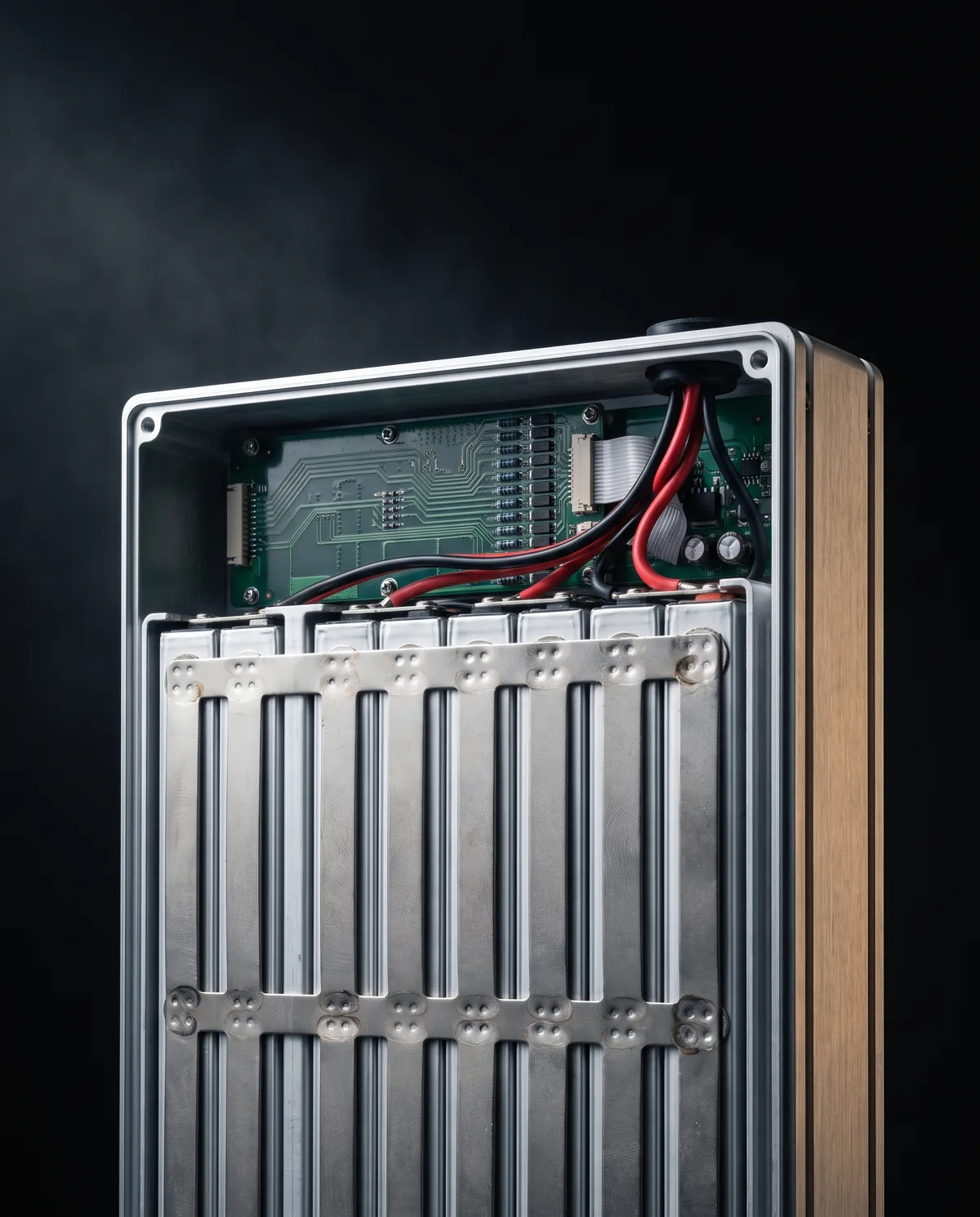
The BMS is refereeing the whole time
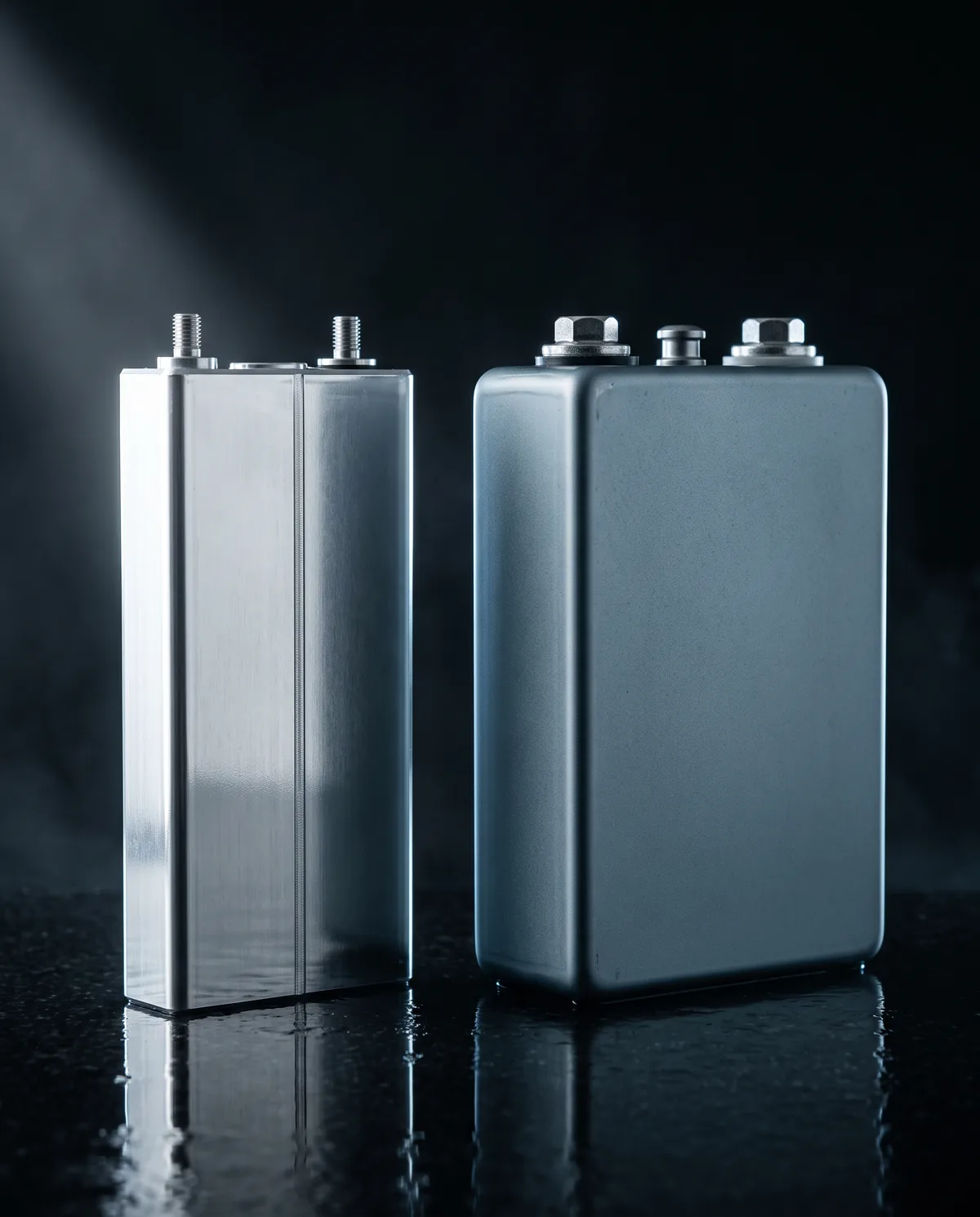
Cells in a pack do not age at exactly the same rate. Left alone they drift apart, and a pack is only ever as usable as its weakest cell. Balancing — bleeding a little charge off the cells that run ahead — is what keeps them in formation. It happens near the top of the charge, in that same slow final stretch.
Practical rules
- Charge on a normal, well-earthed household socket. The supplied charger is matched to the pack.
- Do not charge immediately after a long fast run — let the pack come down to ambient first.
- A partial charge is not harmful. Running to empty repeatedly is.
- If the scooter is going to sit for weeks, leave it near half charge, not full and not flat.
The pack is warranted for three years. Most of what determines whether it comfortably outlives that happens in these four hours, not in the ones you spend riding.